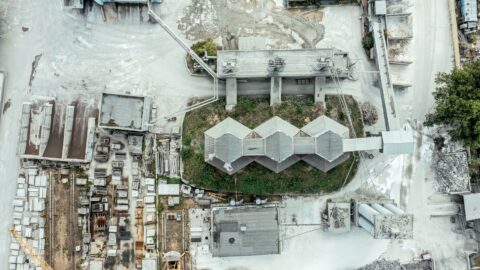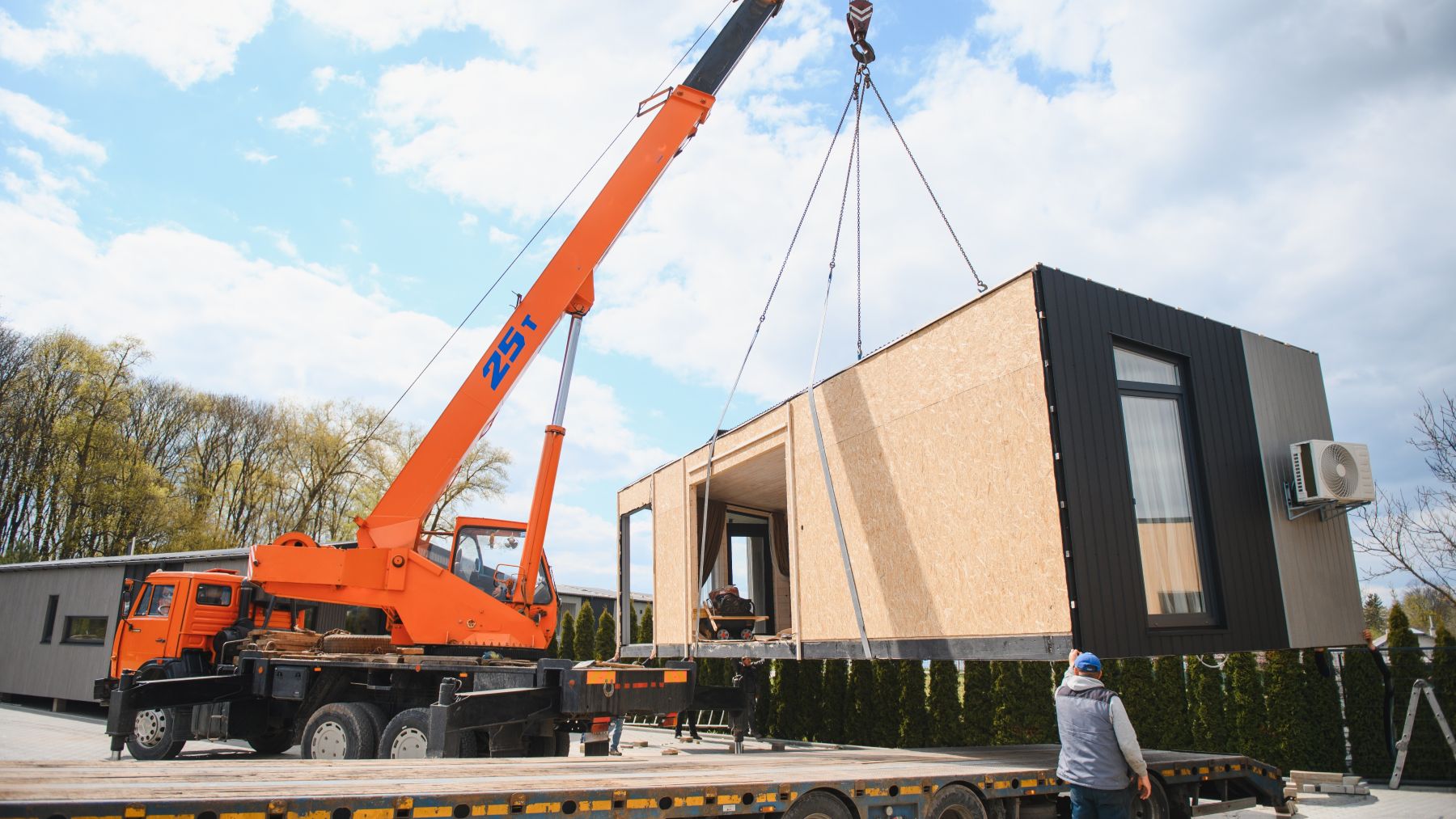
The Netherlands is investing millions to speed up housing construction. But part of the solution is already in place: more than fifty Dutch housing factories. Together, they can produce about 35,000 homes annually. With consistently sufficient demand, that number could rise to 50,000 through shift work. Yet capacity is barely being utilized to half its potential. It’s time for a field trip to the factory. Because perhaps we don’t need to build faster, but rather organize more efficiently.
The acceleration of housing construction is currently a major focus of attention. This week, the government announced it would invest 355 million euros in improving access to four large housing development areas, where nearly 30,000 homes are to be built. New agreements have also been announced to house people in urgent need of housing more quickly.
The government previously presented 50 measures to accelerate housing construction, including a simplified permitting process for approved housing concepts. The government is also aiming for 50 percent industrialized housing construction by 2030. That’s good news. But while the Netherlands urgently needs housing, our housing factories are still far from operating at full capacity. How is that possible?
Prefab is no longer a niche market
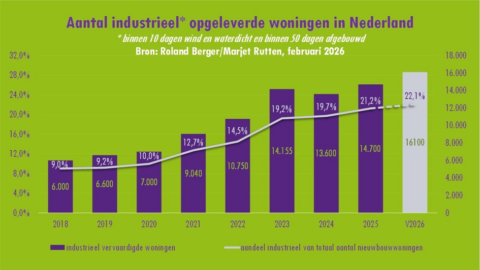
My annual study of the prefab market shows that industrial housing construction is maturing. Despite declining new-construction output, prefab grew by 8 percent in 2025. Its market share rose to over 21 percent, compared to 10 percent five years ago.
Even deep-seated prejudices can be cast aside. Prefab construction has long since ceased to be limited to row houses on the city outskirts. The majority of these projects now consist of apartments. Projects in the city center and on the outskirts are roughly equally divided. And most of these homes receive permanent permits.
The idea that factory-built homes are less attractive also doesn’t hold up. Research by Platform31 shows that, in 60 percent of comparisons, the public finds industrially built homes more attractive than traditional homes. Nearly half can’t even tell which home comes from a factory. The technology is there. So is the quality. Now we just need the projects.
We build industrially, but we still think traditionally
The government aims to have half of all new homes built industrially by 2030. Manufacturers believe this is achievable, but given current trends, 30 to 40 percent seems more realistic. What’s holding us back?
It’s not just nitrogen, grid congestion, land acquisition, and permits. Our approach to development is also getting in the way. Municipalities, housing agencies, and developers often still operate using traditional methods. First, a project is fully designed and technically detailed. Only then is a builder selected.
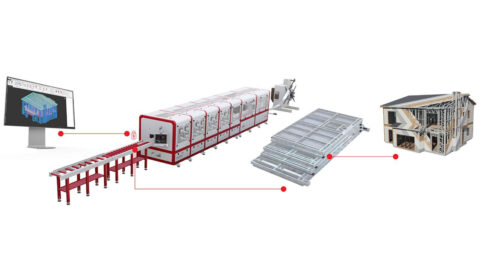
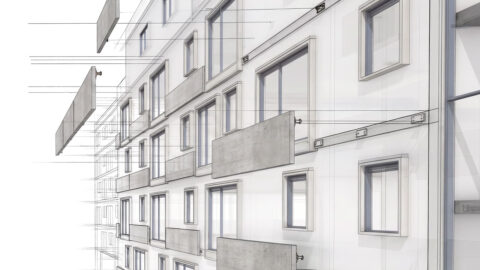
But a housing factory works differently. Industrial construction concepts have their own dimensions, structures, and production methods. Anyone who tries to retrofit a traditional design into a factory-based concept often has to redraw the plans from scratch. Gone are the benefits of standardization, speed, and cost control.
The solution? Flip the process on its head.
As the client, first define your goals and parameters: numbers, quality, appearance, sustainability, and budget. Then, select an industrial construction partner early on and work together to develop the design within the parameters of the construction concept.
That doesn’t result in a one-size-fits-all approach. Instead, you leverage what the factory has already developed and tested, while leaving room for architectural quality. The government must also adapt to this approach. It shouldn’t just invest in construction sites, but also structure tenders, permitting, and development processes around industrial construction. Because factory-style construction also requires factory-style thinking.
The Survival Kit for Housing Factories
-
t
- More than 50 housing factories: capable of producing approximately 35,000 homes per year, with the potential to scale up to 50,000 in the event of sustained demand and through shift work.
- Over 21 percent market share: the share of prefabricated housing has more than doubled in five years.
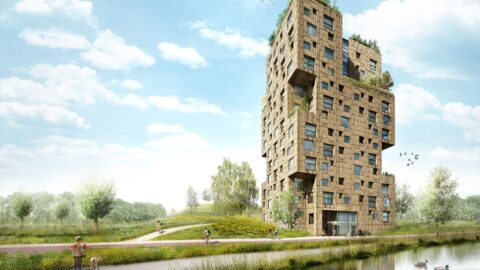
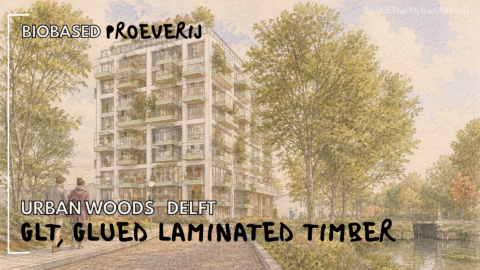
- 30 percent biobased: nearly one-third of prefab production consists of biobased construction concepts. Industrial construction also offers opportunities for less waste and better environmental performance. You often even get that for free.
t
t
Survival tip: Involve the industrial builder early in the process. As the client, specify the desired performance standards and spatial parameters, but develop the design together with the manufacturer. This way, you’ll avoid unnecessary customization and harness the power of factory production.
The biggest boost to progress doesn’t come from yet another housing factory, but from a different way of collaborating. The Netherlands has no shortage of housing factories. What we need most are clients and government agencies that think like manufacturers.
About the Smart Building Expedition

Building is like surviving in a jungle of rules, ambitions, and problems. In “Expedition Smart Building,” Marjet Rutten takes you every week to a groundbreaking site or location where they’ve overcome all the obstacles and hurdles along the way. If you also have a special place you’d like to highlight, please email the editorial team.
Rutten has been working in the industry since 1998 and wants to contribute to a dynamic, successful construction sector. In addition to her work for Building Balance, she is active as a Gideon and serves on numerous government review committees and juries, where her responsibilities include assessing the market potential of planned product and process innovations. Her latest book, *From Brick to Blockchain*, about developments in the sector leading up to 2040, can be ordered here. Looking for more inspiration on developments in our sector? Visit www.debouwin2040.nl