There needs to be a national subsidy for sun protection. And when making existing homes more sustainable, standard measures must be taken to combat summer heat. This ensures a healthy indoor climate and reduces the need for active cooling, according to the Overheating Coalition, part of the Gezond Binnen foundation.
When making existing homes more sustainable, much more attention must be paid to a healthy indoor climate. To draw attention to this issue, the Coalition Against Overheating has submitted a petition to the House of Representatives calling on it to establish the prevention of heat stress in buildings as a policy goal.
According to the coalition, the matter is of great urgency. Vulnerable groups, such as the elderly, are particularly at risk of health problems due to rising indoor temperatures. Research by TNO shows that mortality in the Netherlands increases by an average of 12 percent during heat waves, which amounts to approximately 40 additional deaths per day. According to the coalition, these figures underscore the importance of preventive measures to keep buildings livable even during hot summers.
Gradually increasing attention
According to Rob Daniëls, Technology, Quality, and Digitalization Coordinator at the industry organization VMRG—one of the partners of Gezond Binnen—it’s important for the construction sector to focus not only on retaining heat, but also on keeping it out. Daniëls notes that the topic is gradually receiving more attention. Still, he believes there is work to be done. “When you’re working to improve sustainability and focus solely on the winter months—that is, primarily on insulation values—but not on the increasing risk of overheating, you’ll start receiving more and more complaints from residents.”
For new-construction homes, the TOjuli indicator already sets a requirement to limit the risk of overheating. But according to Daniëls, it isn’t functioning optimally yet. Improvements will come, in part, from a new calculation method that will be used starting in 2030, he explains. “It will incorporate future climate scenarios and hourly calculations. That should provide a more realistic picture of heating and cooling needs in buildings.”
Taking summer heat into account isn’t yet a given
The coalition’s biggest concern, however, lies with the existing housing stock. Homes there are being insulated on a large scale and made more energy-efficient, while measures to combat summer heat are still far from always being automatically included. “When you’re working on sustainability, you shouldn’t just look at the winter period, but also specifically at the summer period,” Daniëls emphasizes. He does note, however, that housing authorities are slowly becoming more aware of this issue and are increasingly incorporating summer comfort into their renovation plans.
Work is also underway on a new NTA measurement method for Heat in Homes, which should make it possible to assess overheating more objectively. According to Daniëls, this is urgently needed, as the Rent Commission is also receiving an increasing number of complaints about excessively high indoor temperatures.
Keep heat out first, then cool
An important guiding principle of the coalition is the so-called Cooling Ladder. This tool is based on the premise that overheating should be prevented at the source as much as possible before resorting to active cooling. The ladder consists of several sequential steps. First, the building’s surroundings are examined to determine where greenery and water can help reduce heat stress.
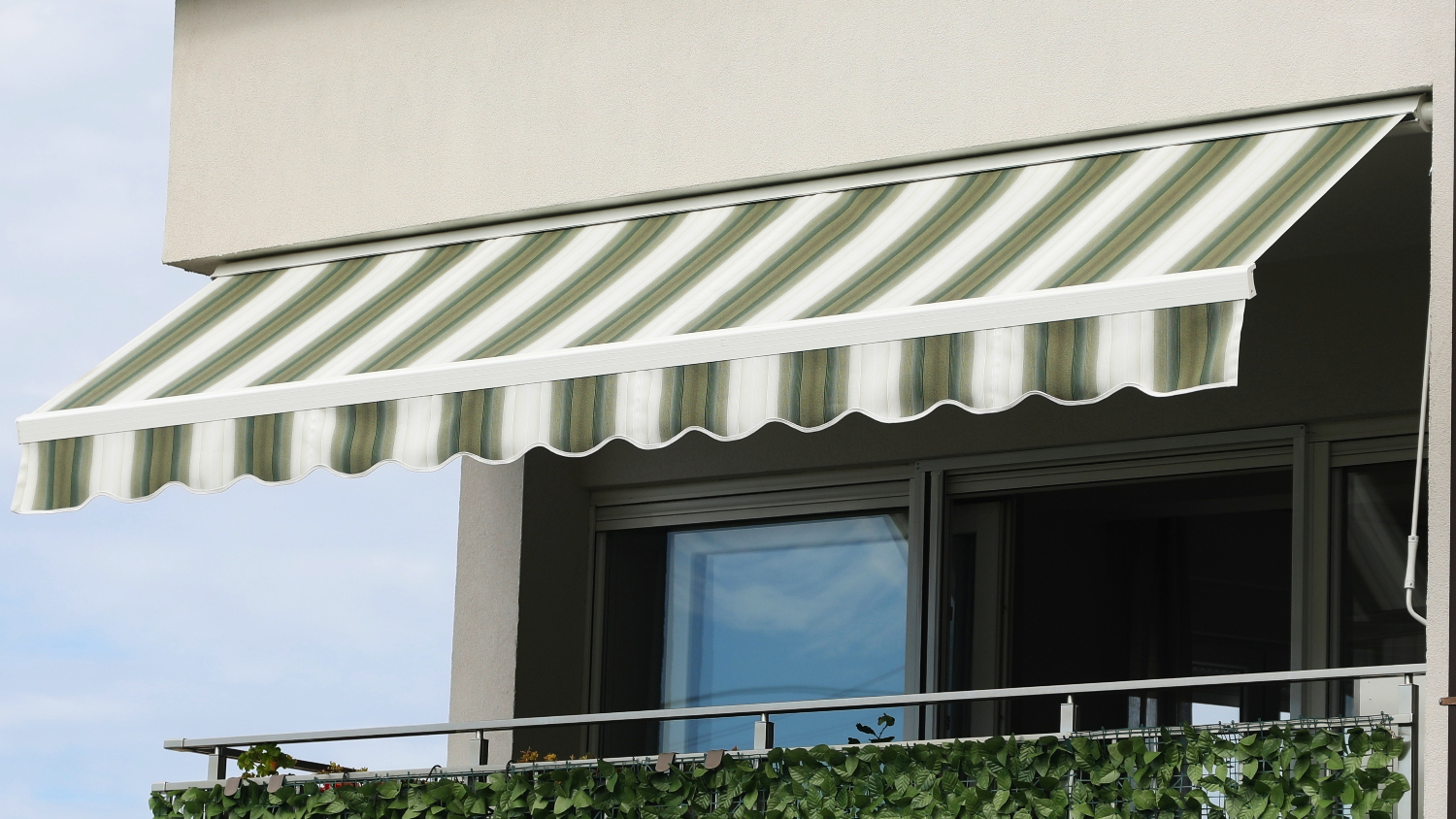
Next, it’s about keeping solar heat out, for example, with exterior sunshades. The third step is to naturally dissipate heat, including by opening windows or using summer nighttime ventilation. Only when these measures prove insufficient should active cooling—such as air conditioning or a heat pump—be considered.
According to Daniëls, that order is particularly important. By first limiting a building’s heat load as much as possible, the need for active cooling can be reduced. In practice, however, he says it’s still often done the other way around. “When a hot spell hits, residents tend to reach for a portable air conditioner relatively easily. After all, structural measures require more preparation and often have longer lead times.”
Subsidies for sun protection
It’s clear that exterior sunshades play an important role in this. According to research by TNO, this measure can lower the indoor temperature by 5 to 10 degrees, depending on the home and the circumstances. East- and west-facing facades deserve particular attention, as the low-angle sun can shine deep into the building there.
Operation is also important in this regard. “It’s very important that measures are in place, but also that they can be used correctly.” According to him, smart controls can prevent sunshades from going unused when residents are away from home during the day.
In addition to stricter regulatory focus on overheating, the coalition advocates for financial incentives. A recently adopted House motion to include sunshades in subsidy programs offers a starting point for this.
Daniëls mentions, among other things, the ISDE for individual homeowners and the SVVE for homeowners’ associations. Some municipalities already subsidize sunshades, but the coalition wants this type of support to be available nationwide.
But new regulations and subsidies alone aren’t enough for the coalition. According to Daniëls, preventing overheating must become a natural part of the design and renovation process. “That requires raising awareness among all parties involved, from housing authorities to designers and installers. Don’t wait to think about cooling until a building gets too hot; instead, make sure from the design phase onward that heat stays outside as much as possible.”