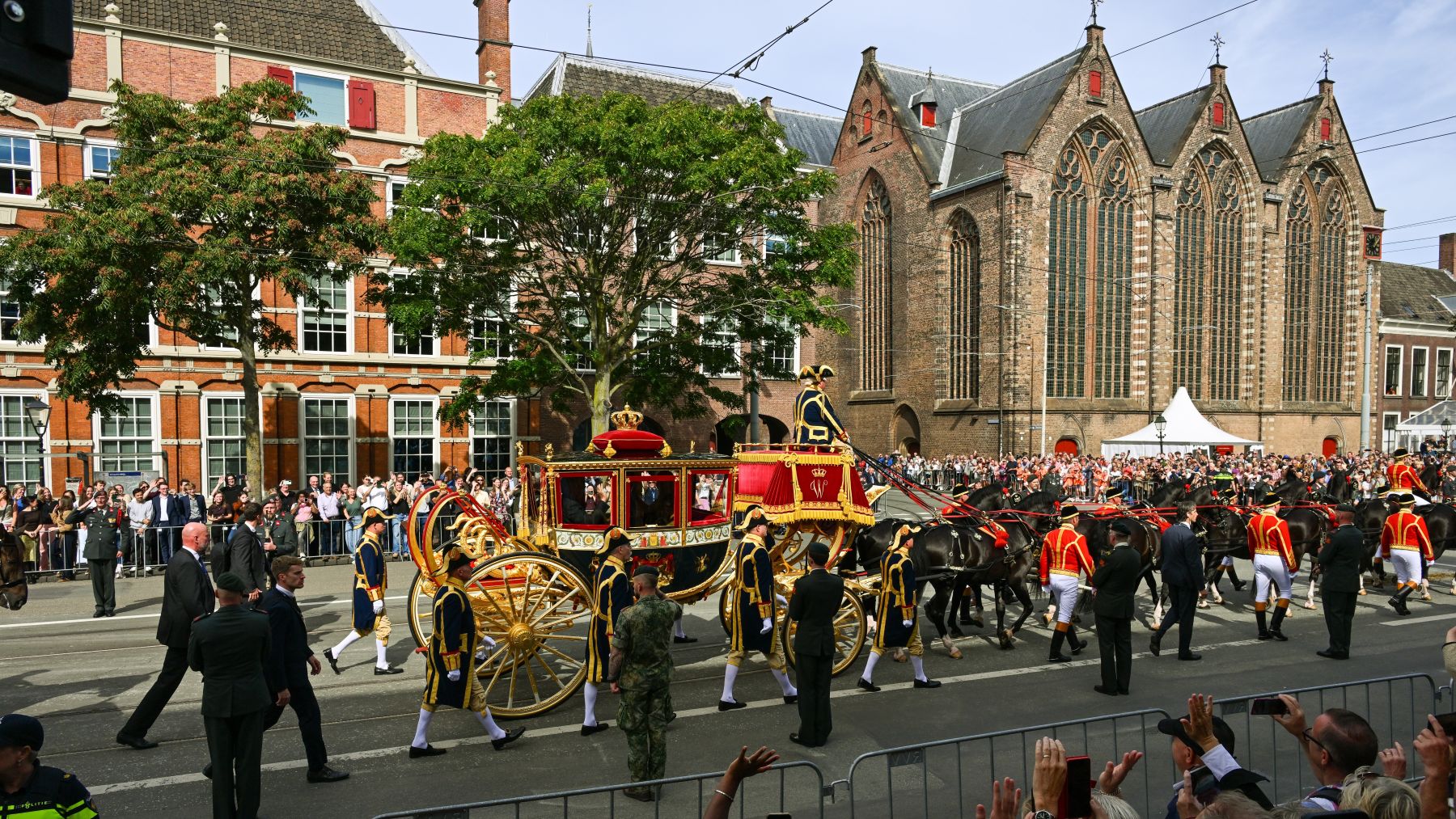
The Minister of Housing took the cake this week on Prinsjesdag. Not for the substance of her message, but for the presentation—her dress.
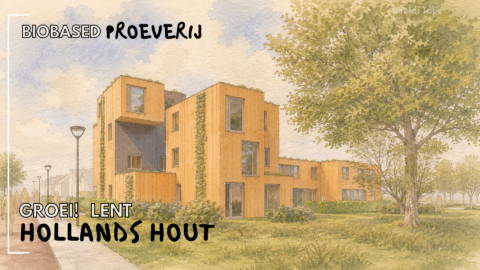
She certainly looked stylish. Although there’s no accounting for taste. But the dress that Minister Elanor Boekholt-‘O-Sullivan wore will undoubtedly have raised eyebrows among the still modest but growing group of architects and builders in the Netherlands who prefer, above all else, to build exclusively with renewable materials such as hemp, flax, cattail, and wood.
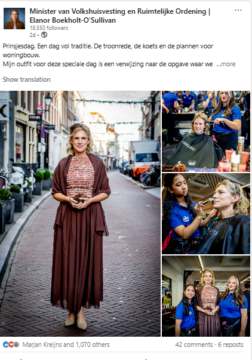
Why? The minister’s much-talked-about outfit was a tribute to brick. Or as the Minister of Public Housing and Spatial Planning herself put it on LinkedIn: “My outfit for this special day is a reference to the challenge we face: ensuring that everyone has a roof over their head. It’s also a tribute to all those builders who stack bricks in all kinds of weather to ensure those homes actually get built.”
Nothing wrong with that, of course. And it’s especially heartening that 18-year-old fashion student Lente designed her outfit. Because that’s the statement the minister was making: vocational education is a breeding ground for talent.
And yet, you can also look at it another way. Brick isn’t just popular—it’s also a CO2-intensive product. Or rather: brick is harmful to the climate. So why not compare that little dress to the words the minister spoke a week earlier during a meeting of the Dutch Biobased Construction Program, Building Balance?
At a wooden school in Doetinchem, Queen Maxima showed herself to be a staunch advocate of building with sustainable materials. The minister, on the other hand, was much more reserved. In so many words, she said: “First, we need to build a lot and affordably. Then we’ll have to see if we can make that a little sustainable as well.”
A bit silly, to put it that way? Or is the former top official at the Ministry of Defense simply more of a bunker concrete and brick kind of person? Just like the architectural review boards in various cities that wouldn’t dream of making room for factory-built homes, because they deviate too much from existing (sacred) residential architecture?
Of course, that’s acceptable, and perhaps the traditional Dutch streetscape does need to be protected. But shying away from the CO2 problem and canonizing the brick as a symbol of the entire Dutch school of architecture isn’t wise in an era of nitrogen, CO2 issues, and water congestion. Don’t we want future-oriented urban development?
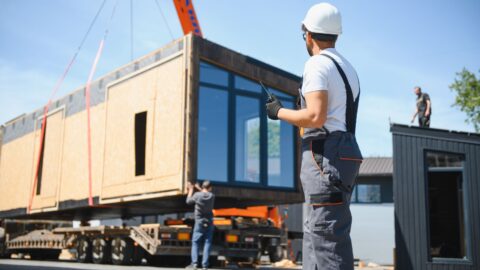
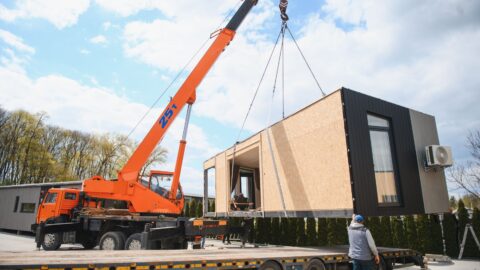
And then there’s the second part of her explanation: stacking bricks through wind and rain. Don’t we actually want to move away from hard labor? Don’t we want more industrialization, since we’re already seeing that new generations are hard to entice into the construction and installation sectors?
You might also ask, what’s the point? We’re talking about a piece of fabric here—the focus should be on the substance. On a massive housing shortage, on energy poverty, on streamlining bureaucratic procedures, on smarter construction. An excellent plan. So, should we just forget about Prinsjesdag already?