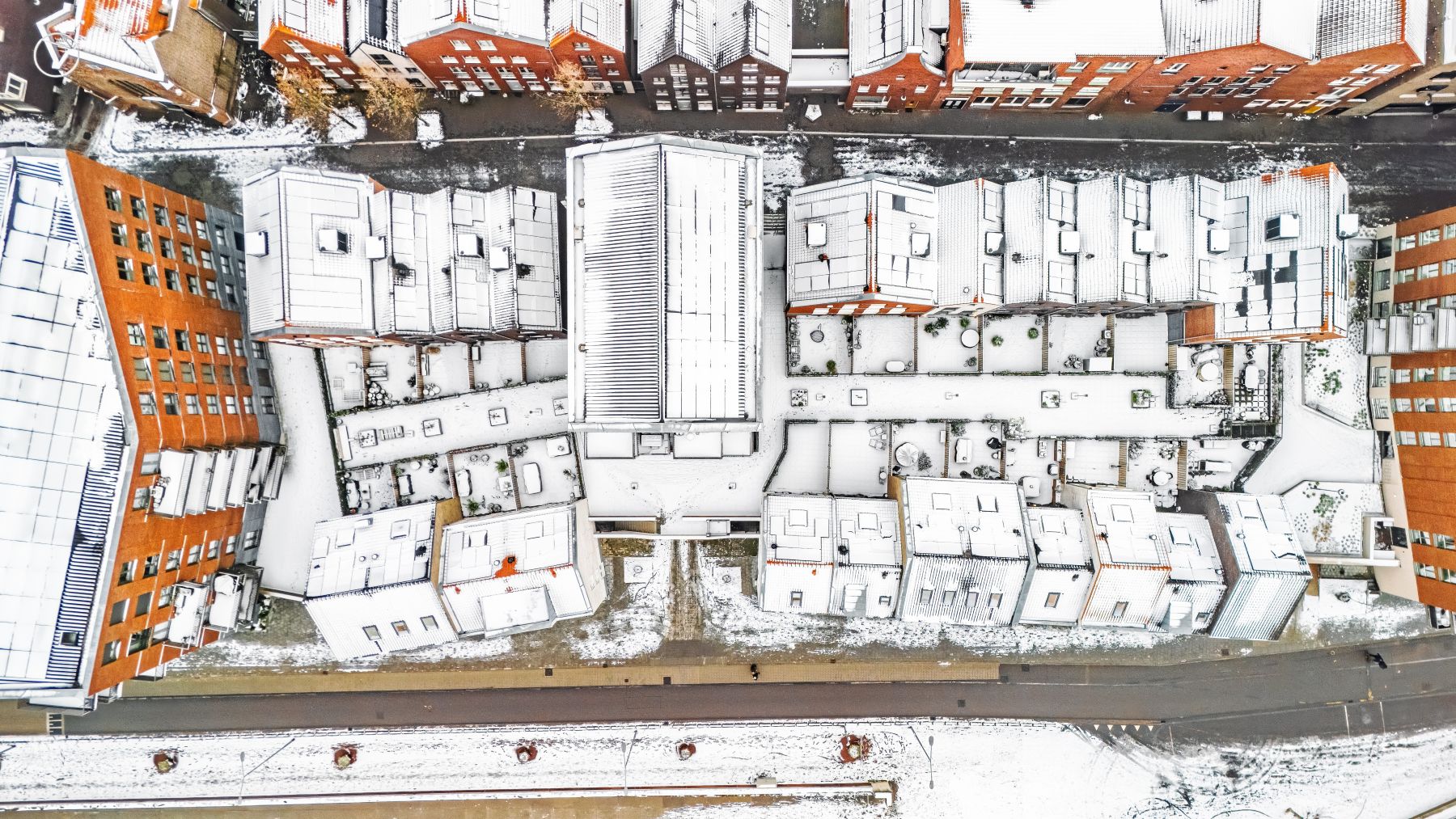
“If you want to teach a child to ride a bike, you have to give them time.” That’s what architect Reimar von Meding said last week on Radio 1, in response to a much-discussed report by the Economic Institute for Construction (EIB). The study shows that adding stories, subdividing, and renovating old buildings yields far fewer new homes than hoped for.
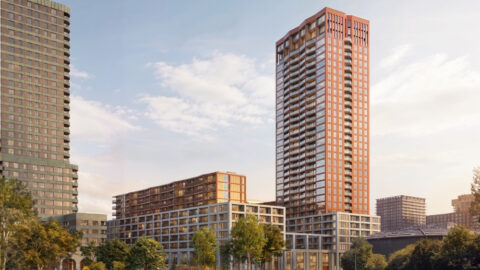
“That ‘add-on kid’ is just getting started,” was what the director of KAW—which, in its fifty years of existence, has never built a single house outside the city—meant to say. The man behind the “build ten new cities within the city” initiative emphasizes the benefits of expanding existing buildings, adding stories, and building basements. Not only does this save new residents a long bike ride to the dance club or the neighborhood grocery store, but according to “Mr. Densification,” it’s also a lot more sustainable.
“That may be true,” the EIB argues, “but the numbers that were once promised are simply disappointing.” “Growth was promised, but the figures are plummeting.” Its message? You can’t solve the housing crisis within the existing city. That’s just wishful thinking. A pipe dream.
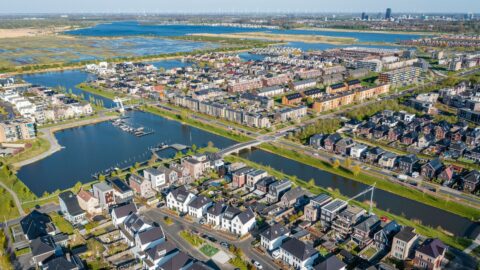
EIB Director Taco van Hoek and his colleagues make no secret of their desire to have children. They are once again advising the government to build additional housing on the outskirts of cities. “It’s a piece of cake,” says Van Hoek.
You might question that last point, because this “add-on-a-little-street” rhetoric has been around for quite some time. Opinions on its potential are just as divided, and that ambition, too, has not yet been realized. What’s more, on average, it takes ten years before the first shovel hits the ground on a new construction project. In a word: great.
In The Hague, the officials in charge of building height increases and property subdivisions are getting grumpy about it. “What’s this new hassle we’re dealing with now?” they’re thinking at the Ministry of the Interior. They’re raising objections to Taco’s calculations and are reportedly scrutinizing the numbers down to three decimal places to make sure they’re correct.
That’s too much credit. Because even if the EIB is right, what exactly is it saying? Exactly. Adding stories, subdividing, and transforming buildings isn’t easy. In fact, it’s complicated, puts our parking regulations in a bind, and, on top of that, there’s always at least one resident in a homeowners’ association (VVE) who, all by himself, manages to derail plans for additional housing on the roof. Simply because the legislature supports that one person in doing so.
“It’s a shame,” says Bram Hertzberger, co-founder of Creative City Solutions, in the episode of the Bureau Stoer podcast set to go online on Tuesday. He says the number of rooftop expansion projects for his company has actually doubled, and he points to the enormous opportunities for industrial builders.
But the crux of his argument is that such building additions also generate value, which can help cash-strapped housing associations and homeowners’ associations address overdue maintenance and energy poverty. A study by the Vereniging Eigen Huis and the Land Registry (2025) shows that one in five homeowners’ associations in the Netherlands is strapped for cash. In other words, 18 percent (approximately 24,000 homeowners’ associations) lack sufficient reserves for “urgent” maintenance, such as facade or roof renovations. “Add two stories, and you can eliminate all these kinds of backlogs,” says Hertzberger.
The EIB turns a blind eye to this. Apparently, the research institute isn’t very concerned about people who don’t have a penny to their name—or who have been waiting years for a home because total housing construction is falling short of targets.
All right. Van Hoek wants to move things along, too. Add some new streets. And maybe they aren’t listening to him enough—that could be the case. But to use that as a reason to subdivide, transform, and add stories while razing buildings to the ground is unnecessary and unwise at a time when every extra home makes a difference. Or rather: childish.
Also read