There are many good ideas for reducing the impact of construction on the planet. However, most of them only lead to fewer negative effects or a slower increase in environmental impact. One reason for this is that we still think in terms of CO2.
If we keep focusing on CO2, we’ll keep fumbling around with more or less CO2, with CO2 offsets, or with certificates. As if the atmosphere were a commodity, and more of that nonsense. All of that is just addressing after-the-fact and end-of-pipe effects—it’s like mopping with the faucet still running. And it only tackles a single effect. But reducing CO2 is like placing a wet towel on the forehead of a patient with a fever: you measure the temperature, try to cool them down, but you’re not treating the infection. CO2 reduction is merely treating the symptoms.
Something like “Paris Proof” won’t work, therefore. It’s certainly a nice idea and a good effort. But it’s just a side path and nowhere near enough. What about “Planetary Boundary Proof”? That refers to the planetary boundaries. It’s good to be aware of them, but they too have consequences. You should definitely keep an eye on them, but don’t elevate them to the status of a goal.
The cause is well known: it’s the unlimited use of energy and materials. And so far, we’re doing little to address it. In fact, we’re even mandating it—take, for example, the requirement to connect to the electricity grid. That unbridled use of energy and materials stems from our reliance on fossil fuels.
Ergo: we should no longer be lugging around wet towels, soaked from mopping with the faucet left running. Instead, we need to find the cause—the infection—and turn off that faucet: true progress begins by using no more fossil fuels. Nada.
It’s no coincidence that in recent weeks the EU has enacted a law that now only allows serious environmental claims—no more greenwashing. (“empowering consumers for the green transition through better protection against unfair practices and better information”)
So, I suggest we do it right from the start and aim for “Earth Proof”—Earth-resilient. After all, this isn’t just any planet, but a special one—one that, unlike other planets, captures and concentrates energy and raw materials based on solar energy and its derivatives. But that does mean we have to stay within that annually renewable or regrowable budget of energy and materials. So it’s truly positive.
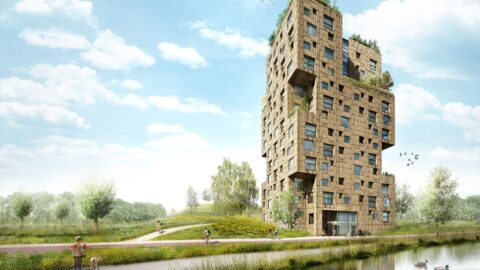
We’ve already come a long way with biobased construction—building with renewable raw materials. And now for the next step: what would be truly positive is a home or building that’s built and operates entirely without fossil fuels. Zero. But truly zero: using biobased products that have been produced, processed, and transported exclusively with renewable energy. So we’re talking about embodied energy—also known as ZEEB: the zero embodied energy home. Zero in terms of fossil fuels.
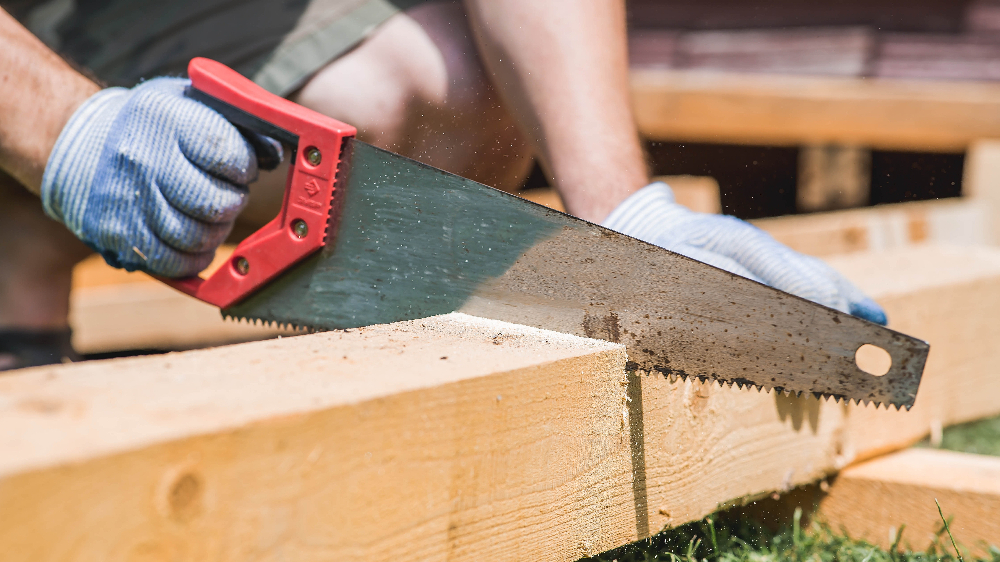
Who, oh who, wants to give that a try? Would that even be feasible? Although I do know of such a home belonging to someone on the island of Eigg in Scotland. It’s built entirely of wood, and that man cut the planks himself—by hand!—from logs of trees he planted long ago for that very purpose!
Read all of Ronald Rovers’ contributions here